

Introduction
Sasanian silver drachms offer a consistent, well-documented series that helps beginners learn how to read and identify early imperial numismatics. The drachms of Peroz I are especially valuable for study because their designs follow clear conventions while also showing refinements introduced during his reign. This guide explains the historical background, key elements, and practical steps for identifying drachms of Peroz I.
Historical Context
Peroz I ruled during the fifth century and oversaw a period marked by internal consolidation and repeated conflicts with neighboring powers. His coinage reflects the enduring Sasanian emphasis on royal authority, religious symbolism, and standardized mint administration. The silver drachm remained the backbone of imperial currency, produced across multiple mints with a consistent obverse portrait and a fire altar reverse type.
Key Features of Peroz I Drachms
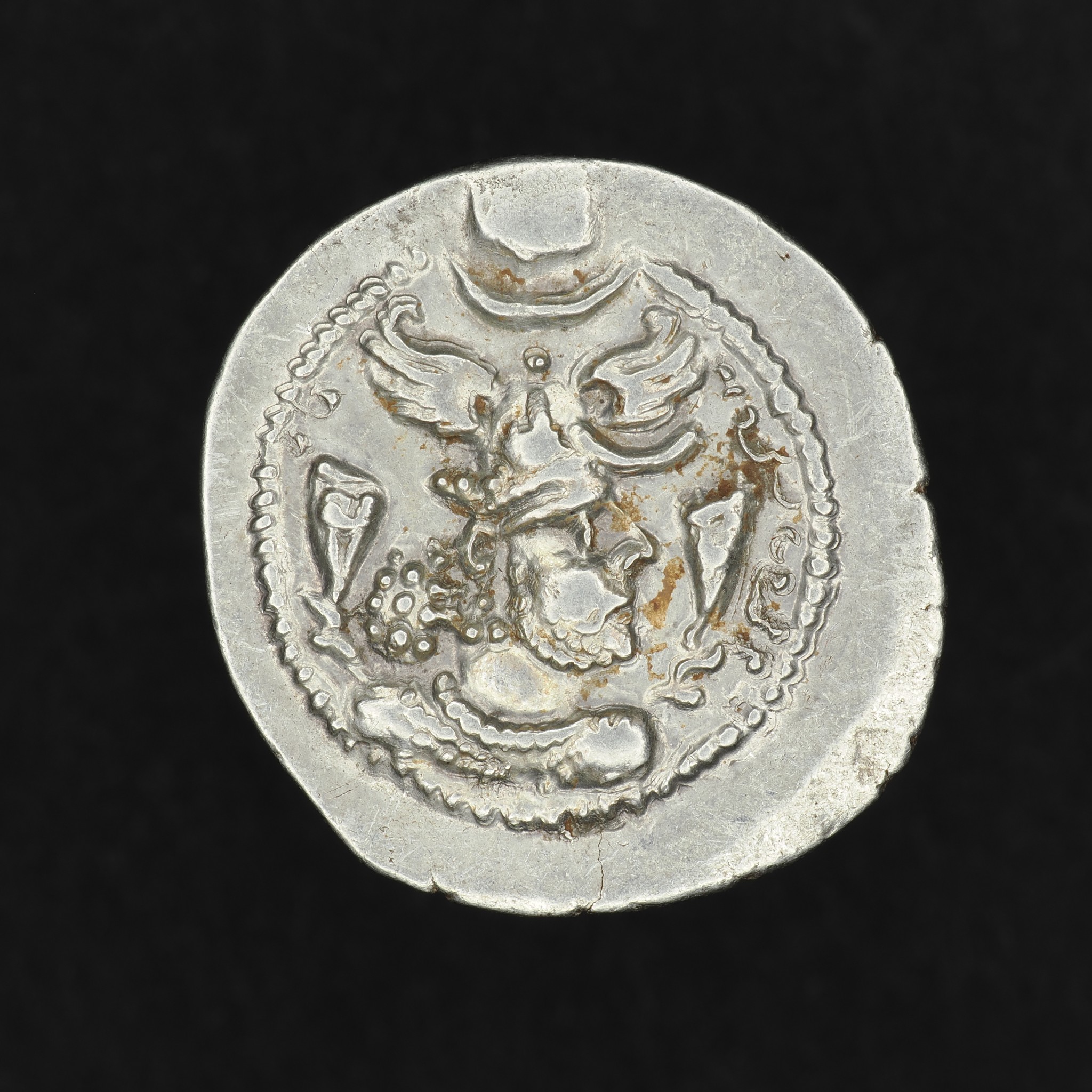
- Right-facing bust with distinctive winged crown
- Korymbos above the crown, framed by crescent ornaments
- Ribbon ties flowing behind the portrait
- Pahlavi legend encircling the obverse naming the ruler
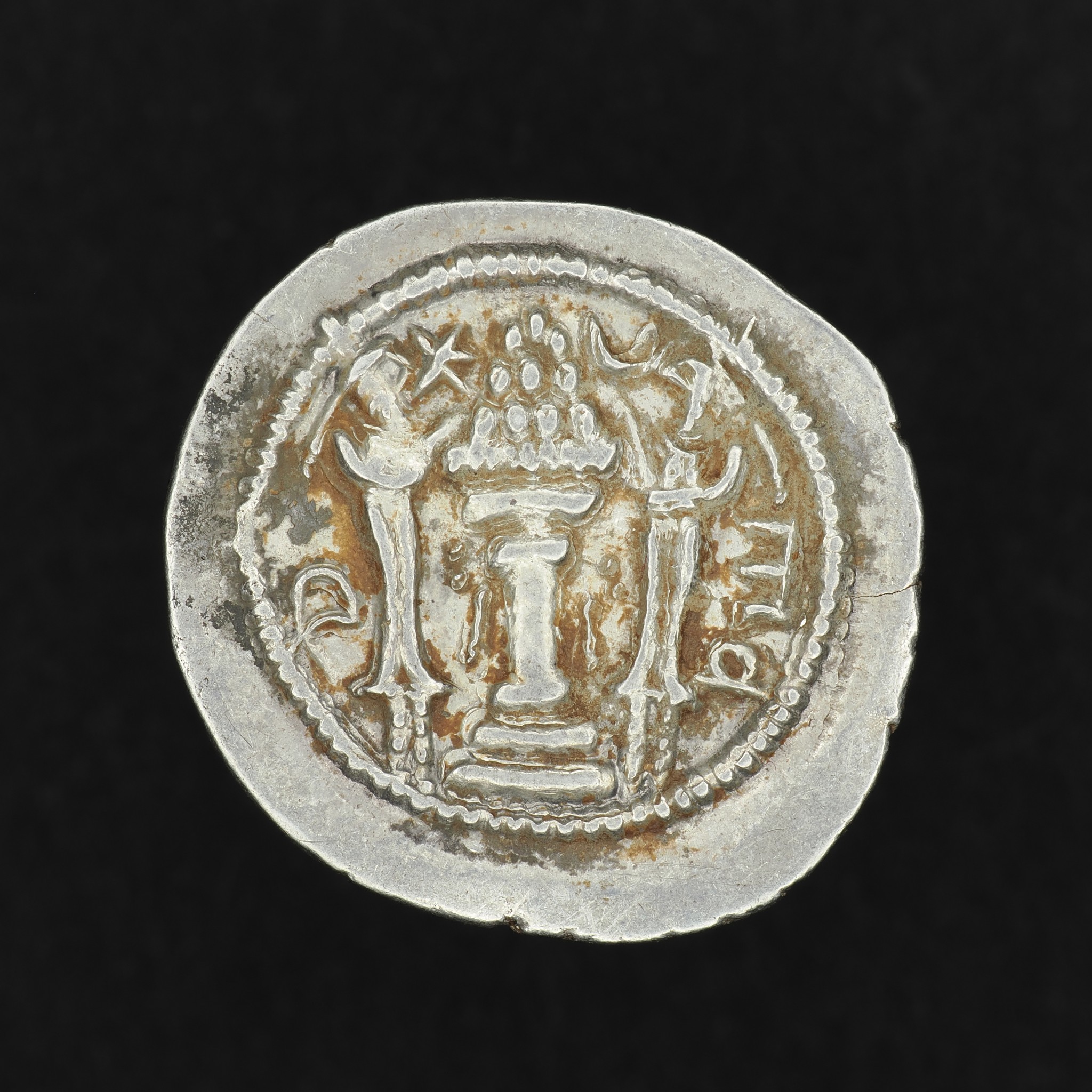
- Fire altar on the reverse with two attendants
- Mint signature to the left of the altar
- Regnal year to the right of the altar
- Crescent and star symbols in the fields
- Thin, broad flan typical of late Sasanian silver
Step-by-Step Guide to Reading a Peroz I Drachm
Obverse
- Start with the obverse portrait
Identify the right-facing bust with the winged crown. The wings curve upward and outward, a signature marker of Peroz I. - Read the obverse legend
The surrounding Pahlavi inscription includes the royal name, usually written as pwrwc or similar variants. - Examine the crown details
Note the crescent at the top supporting the korymbos. The precise rendering of the wings and ribbons helps distinguish Peroz I from later rulers.
Reverse
- Move to the reverse
Locate the fire altar at the center. Two attendants stand on either side, each wearing a crown and holding a bar. - Identify the mint mark
The mint signature appears to the left of the altar in Pahlavi script. Common marks include WYHC, LDH, and others used during the period. - Check the regnal year
To the right of the altar is the regnal year. This number helps place the coin within the sequence of Peroz I issues. - Observe additional symbols
Crescent and star motifs often appear above the attendants or in the fields. These aid in distinguishing chronological or regional variations.
Common Mistakes and Misidentifications
- Confusing the winged crown of Peroz I with the more elaborate crowns of later kings
- Misreading regnal years due to partial strikes or worn numerals
- Mixing up mint signatures that appear visually similar in Pahlavi script
- Mistaking crescent and star symbols as mint marks rather than decorative or religious motifs
- Identifying late imitative issues as official mint products without examining fabric and style
Collecting and Research Tips
- Compare obverse crown details across multiple specimens to gain confidence in identification.
- Use clear photographs to study Pahlavi mint signatures and regnal numerals.
- Reference cataloged examples before making attributions, especially when legends are incomplete.
- Keep a record of different mints and regnal years to understand production patterns.
- Consult museum databases for confirmed examples to build accuracy.
Conclusion
Peroz I silver drachms provide a clear entry point into Sasanian numismatics. Their consistent portrait style, structured reverse types, and well-documented mint signatures allow beginners to develop reliable identification skills. With careful study and reference to authoritative resources, these drachms become an excellent foundation for understanding the broader Sasanian series.
External References
- ANS Collections Database
- British Museum Online Collection
- Zeno Oriental Coins Database
- ACSearch Archives
- CNG Research Catalog
Further Study
For more specimens from the Sasanian series, refer to the TerraNumis catalog’s Sasanian collection.
shop.terranumis.com